Nonwoven fabric is widely used in packaging, shopping bags, storage products, industrial protection, agriculture, and promotional applications.
Among the many surface treatments available, PE-coated nonwoven fabric and laminated nonwoven fabric are two of the most commonly used options.
Although they may look similar, their production processes, surface appearance, durability, cost, and applications are different.
In this guide, we explain the key differences between PE-coated and laminated nonwoven fabric and help you choose the right material for your application.
What Is PE-Coated Nonwoven Fabric?
PE-coated nonwoven fabric is produced by applying a layer of polyethylene (PE) coating directly onto the surface of ordinary nonwoven fabric at high temperature.
The PE layer bonds closely with the nonwoven base material, creating an integrated structure with improved water resistance and surface protection.
This process is commonly used when buyers need a practical, waterproof, and cost-effective material for large-volume production.
Key Advantages of PE-Coated Nonwoven Fabric
1. Excellent Water and Oil Resistance
The PE-coated surface provides strong resistance to water, oil, moisture, and dirt.
Liquids tend to remain on the surface instead of penetrating the fabric, making it suitable for packaging and protective applications.
2. Good Flexibility and Tear Resistance
PE coating helps maintain the flexibility of the nonwoven fabric.
The material can be folded, handled, and processed without becoming excessively brittle.
3. Cost-Effective for Bulk Production
PE-coated nonwoven fabric is generally suitable for large production volumes where waterproof performance is required but cost control is also important.
Common Applications
Typical applications include:
- Rice bags
- Flour bags
- Feed bags
- Storage bags
- Dust covers
- Agricultural packaging
- Industrial protective covers
- General packaging materials
What Is Laminated Nonwoven Fabric?
Laminated nonwoven fabric is produced by bonding a pre-made plastic film onto the surface of nonwoven fabric through heat and pressure.
Unlike PE coating, which is applied directly onto the fabric, lamination is a secondary bonding process.
The result is usually a smoother, glossier, and more decorative surface.
Key Advantages of Laminated Nonwoven Fabric
1. Premium Surface Appearance
The laminated surface is smoother and more glossy than ordinary nonwoven fabric.
It is often selected for applications where appearance, branding, and presentation are important.
2. Better Printing Performance
Laminated surfaces can provide sharper colors and clearer graphics.
This makes the material especially suitable for:
- Custom logos
- Full-color printing
- Promotional graphics
- Retail packaging designs
3. Improved Abrasion Resistance
The laminated film helps protect the fabric surface from rubbing, scratching, and repeated handling.
4. Strong Moisture and Dust Barrier
The composite structure provides improved protection against moisture, dust, and surface contamination.
PE-Coated vs Laminated Nonwoven Fabric: What Is the Difference?
The main difference lies in the production process and final surface characteristics.
| Feature | PE-Coated Nonwoven Fabric | Laminated Nonwoven Fabric |
|---|---|---|
| Process | PE coating applied directly to fabric | Pre-made film bonded to fabric |
| Surface | Practical and protective | Smooth and glossy |
| Waterproof Performance | Excellent | Excellent |
| Printing Appearance | Good | Better for premium graphics |
| Abrasion Resistance | Good | Higher |
| Cost | Generally lower | Generally higher |
| Best For | Bulk packaging and protection | Branded and premium packaging |
For buyers focused on cost-effective waterproof protection, PE-coated nonwoven fabric is usually the better choice.
For buyers who need a more premium appearance and high-quality printing, laminated nonwoven fabric is often more suitable.
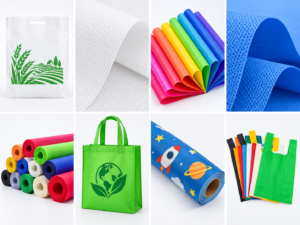
Available GSM and Thickness Options
We offer a wide range of nonwoven fabric weights to meet different product requirements.
Common fabric weights range from approximately:
18 GSM to 160 GSM
Different GSM levels offer different performance characteristics.
Lightweight Nonwoven Fabric
Lower GSM fabric is:
- Softer
- More breathable
- Lighter
- Suitable for economical packaging
Medium-Weight Nonwoven Fabric
Medium GSM fabric provides a balance of:
- Flexibility
- Strength
- Cost
- Durability
Heavyweight Nonwoven Fabric
Higher GSM fabric is:
- Thicker
- Firmer
- More durable
- Better suited for reusable or structured products
Custom GSM can also be produced according to order requirements.
Custom Widths and Sizes
Nonwoven fabric can be supplied in different forms depending on production requirements.
Available options include:
- Nonwoven fabric rolls
- Cut sheets
- Bag-making material
- Custom-width rolls
- Custom-sized sheets
Finished products can also be customized for:
- Flat bags
- Gusset bags
- Storage bags
- Dust covers
- Promotional bags
- Protective covers
Available Colors
We offer a wide range of standard and custom colors.
Common Standard Colors
- White
- Black
- Gray
Popular Custom Colors
- Blue
- Red
- Green
- Yellow
- Orange
- Pink
- Purple
Other colors can be customized based on customer requirements.
Printing and Branding Options
Both PE-coated and laminated nonwoven materials can support customized printing.
Available options may include:
- Custom logo printing
- Custom text
- Solid-color designs
- Full-color printing
- Promotional graphics
- Private-label branding
For products where visual appearance is particularly important, laminated nonwoven fabric is usually preferred because of its smoother printing surface.
Common Applications of Coated and Laminated Nonwoven Fabric
These materials are widely used across many industries.
Packaging
- Food packaging
- Grain packaging
- Agricultural packaging
- Industrial packaging
Retail and Promotion
- Shopping bags
- Promotional bags
- Gift bags
- Branded packaging
Home and Storage
- Storage bags
- Dust covers
- Organizing bags
- Household protection products
Industrial Use
- Factory dust protection
- Protective covers
- Packaging liners
- Temporary protective materials
Why Choose Our Nonwoven Fabric?
Stable Production Process
Our production processes are designed to maintain consistent coating and lamination quality.
We focus on reducing defects such as:
- Wrinkles
- Bubbles
- Uneven coating
- Film separation
Reliable Raw Materials
We use quality PP nonwoven fabric to provide stable tensile strength, flexibility, and product consistency.
Full Customization
We support customization of:
- GSM
- Width
- Thickness
- Color
- Printing
- Bag structure
- Surface treatment
- Packaging
B2B and Bulk Order Support
Our products are suitable for importers, distributors, promotional product companies, packaging suppliers, retail brands, and industrial buyers.
Which Material Should You Choose?
Choose PE-coated nonwoven fabric if you need:
- Good waterproof performance
- Large-volume production
- Cost efficiency
- General packaging
- Industrial or agricultural protection
Choose laminated nonwoven fabric if you need:
- Premium appearance
- High-quality printing
- Better abrasion resistance
- Branded shopping bags
- Gift packaging
- Promotional products
The right material depends on your product design, budget, durability requirements, printing needs, and application.
Custom PE-Coated and Laminated Nonwoven Fabric Manufacturer
We provide nonwoven fabric and finished nonwoven products for B2B customers, with support for custom specifications and bulk orders.
Available customization includes:
GSM, width, size, color, printing, surface treatment, structure, and packaging.
Whether you need PE-coated nonwoven fabric for cost-effective waterproof packaging or laminated nonwoven fabric for premium branded products, we can help you choose the right solution.
Contact us for samples, specifications, and wholesale quotations.

About
Experienced manufacturing and supply chain specialist focusing on eco-friendly non woven packaging, custom canvas totes, and industrial bulk sourcing solutions.
Request Custom Bags OEM Quote →